
If you’ve ever found yourself wondering why your baby happily naps one day but fights every nap the next, you’re definitely not alone. Understanding baby wake windows was one of the biggest things that helped me make sense of our days. Once I realised that wake windows for babies are just a guide to how long little ones can comfortably stay awake, naps started to feel far less unpredictable.
This baby wake windows by age guide will walk you through typical wake windows from newborn to 12 months, explain how they fit into a baby sleep schedule, and help you spot when your little one might be ready for sleep. I’ll also share some simple newborn wake window activities and gentle tips that worked for us, so you can feel more confident without worrying about getting everything perfect.
This post contains affiliate links. This means I may earn a small commission if you choose to make a purchase through my links, at no extra cost to you. I only recommend products I genuinely believe can help make life a little easier for parents.
Baby Wake Windows By Age Chart
If you’ve ever wondered, “Surely my baby’s tired already?” you’re definitely not alone. Baby wake windows are simply the amount of time your little one can comfortably stay awake between naps. While every baby is different, having a rough guide can help prevent overtiredness and make naps and bedtime feel much less stressful.
Use this wake windows by age chart as a helpful guide rather than a strict schedule. Your baby’s sleepy cues will always matter most, but these typical wake windows are a great place to start if you’re trying to build a calmer baby sleep routine.
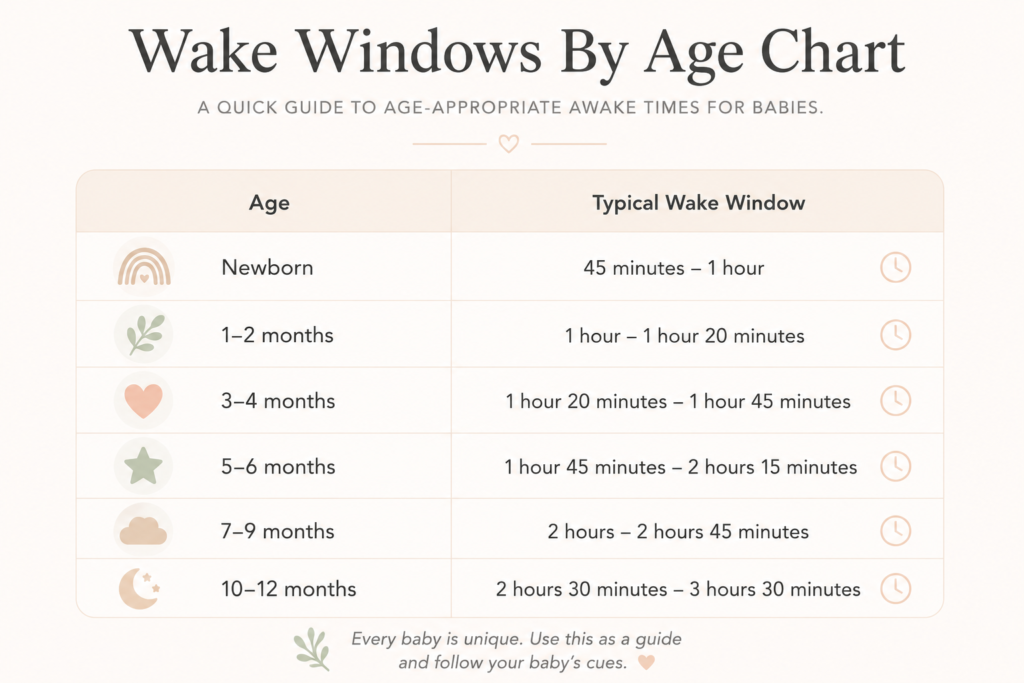
Newborn (0–4 Weeks)
Newborn wake windows are surprisingly short, usually around 45 minutes to 1 hour. By the time you’ve fed them, changed their nappy and had a little cuddle, it can already be time for another nap! It honestly feels like they wake up just long enough for a feed before they’re rubbing their eyes again. Don’t worry if your newborn falls asleep sooner though, that’s completely normal.
1–2 Months
Around this age, babies can usually stay awake for 1 hour to 1 hour 20 minutes. You might start noticing little sleepy cues before they become overtired, which can make naps feel a bit easier to predict. It’s one of those stages where you start thinking, “I think I’m finally getting the hang of this!”
3–4 Months
Wake windows usually stretch to around 1 hour 20 minutes to 1 hour 45 minutes. This is often when naps start feeling a little less predictable, so keeping an eye on both the clock and your baby’s sleepy cues can really help. Don’t worry if every day looks a little different, that’s completely normal.
5–6 Months
Most babies are happy staying awake for around 1 hour 45 minutes to 2 hours 15 minutes. A simple pre-nap routine can really help them wind down before it’s time to sleep. Sometimes it’s the little routines that make the biggest difference.
7–9 Months
At this stage, babies often stay happily awake for 2 to 2 hours 45 minutes. Many are settling into a two-nap routine by now, although every baby gets there in their own time. Try not to compare your little one to anyone else’s, they all get there eventually.
10–12 Months
By now, wake windows are usually around 2 hours 30 minutes to 3 hours 30 minutes. Some babies are happy with two good naps, while others begin resisting one, completely normal as they get closer to toddlerhood. If naps suddenly start changing again, it’s usually just another little phase rather than something you’ve done wrong.
Why Wake Windows Sometimes Don’t Work
If you’ve tried following wake windows and you’re still dealing with short naps or bedtime battles, please don’t feel like you’re doing anything wrong. I remember thinking I’d finally cracked it, only for my little one to refuse a nap completely!
Wake windows are a guide, not a guarantee. Growth spurts, teething, illness and even an exciting day out can all change how tired your baby feels.
If your baby regularly fights naps, wakes after 30 minutes or seems wide awake at bedtime, it can sometimes help to gently adjust their wake windows rather than sticking rigidly to the clock. The goal isn’t perfection, it’s simply finding a rhythm that works for your baby.
Wake Window Activities That We Actually Used
You really don’t need a house full of toys to keep your little one happy between naps. We always found that a few simple activities were more than enough. Mixing tummy time, sensory play and a bit of floor time kept things interesting without anyone ending up overtired (or me running out of ideas!).
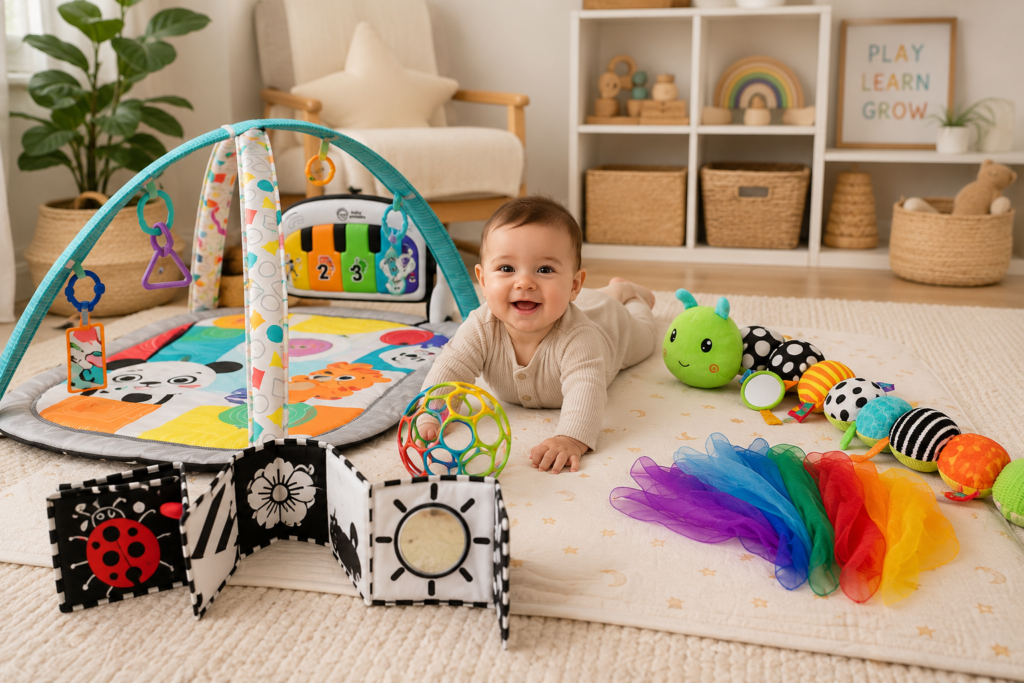
My Go-To Wake Window Essentials
Activity Gym
High-Contrast Flash Cards
Sensory Scarves
I’ve also put together a complete list of our favourite wake window activities, along with the sleep essentials that helped us get better naps. If you’re looking for more ideas, you can browse everything here
Sleep Essentials That We Actually Used
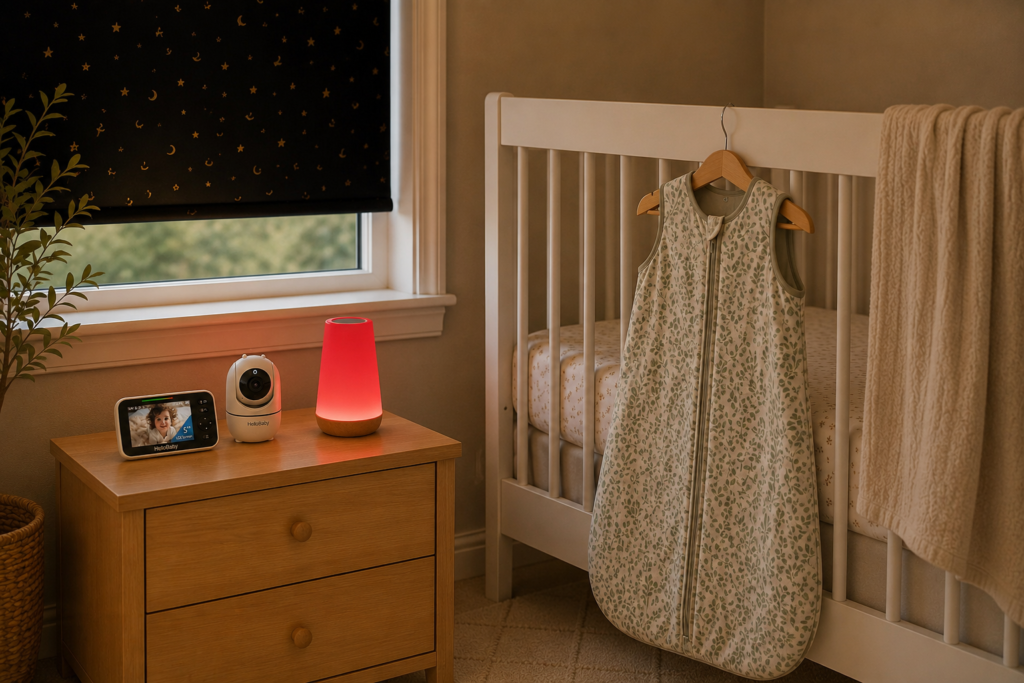
Creating a sleep-friendly environment made a much bigger difference than I ever expected. These are the three things we reached for every single day when we were at home, and together they helped make naps feel calmer, more predictable and much easier to settle.
My Go-To Nap Essentials
Blackout Blind
Touch Night Light
Baby Sleep Sack
If you’re trying to get into a consistent nap routine, I’ve also created a simple baby sleep tracker that helped me keep track of wake windows, naps without feeling overwhelmed.
Remember This
If there’s one thing I’ve learned, it’s that babies don’t read the rule book! Some days your little one will happily stay awake for their full wake window, and other days they’ll be rubbing their eyes much sooner, and that’s completely okay.
Use these wake windows as a gentle guide, trust your instincts, and don’t forget that you know your baby better than anyone.
If you’re still battling short naps or wondering why your baby wakes after just 30 minutes, I’ve written another guide that explains the most common reasons and what you can try next.
More Baby Sleep Guides
Still wondering why your little one only naps for 30 minutes? I’ve written another guide explaining what’s considered a normal nap length by age, why some babies wake after just one sleep cycle and a few simple tips that may help encourage longer naps.
This article is for informational purposes only and is not intended as medical advice. If you have concerns about your baby’s sleep, feeding or development, please speak to your health visitor, GP or healthcare professional.